
Staying active as we age isn’t just about fitness. It’s about staying independent, energetic, and living life on your terms. As more adults embrace active aging, sports medicine is becoming an essential part of long-term mobility and wellness. From injury prevention to improving balance and strength, sports medicine helps older adults keep moving and feeling good.
What Is Sports Medicine and Why Does It Matter for Older Adults?
Sports medicine focuses on improving movement, treating activity-related injuries, and keeping people active at any age. While many think of sports medicine as “for athletes,” older adults are now one of the fastest-growing groups seeking sports-focused care.
Sports medicine can help adults 60+:
- Stay active safely
- Catch joint or tendon issues early
- Build strength and flexibility to prevent falls
- Recover from aches, pains, and injuries faster
Put simply, it’s about maintaining mobility, independence, and quality of life as you age.
Why Active Aging Matters
Regular movement is one of the most powerful tools for healthy aging. According to the CDC, physical activity offers immediate and long-lasting benefits for older adults.
Short-term benefits:
- Better sleep
- Reduced stress and anxiety
- Lower blood pressure
Long-term benefits:
- Stronger brain health and decreased dementia risk
- Lower risk of heart disease, diabetes & stroke
- Better weight management
- Improved balance and strength to prevent falls
- Longer independent living
Even small increases in physical activity can make a big difference.
Common Age-Related Challenges Sports Medicine Can Address
Aging affects our muscles, joints, and bones, but that doesn’t mean slowing down is the only option. Sports medicine specialists help older adults adapt safely, build strength, and move confidently.
Sports medicine can help with:
- Osteoarthritis and joint pain
- Tendonitis and tendon injuries
- Stress fractures and bone health concerns
- Loss of muscle mass and flexibility
- Balance and mobility issues
With personalized treatment and exercise plans, active adults can continue doing what they love and do it safely.
Tips for Staying Active as You Age
Active aging isn’t about pushing harder; it’s about training smarter. A balanced routine helps protect joints, maintain strength, and prevent injury.
- Prioritize Cardiovascular Exercise: Aim for 150–300 minutes of moderate cardio weekly (walking, cycling, elliptical, water aerobics, swimming). Short 10–15 minute sessions count.
- Strength Train 2–3 Times Per Week: Building muscle improves balance, bone density, metabolism, and joint support. Focus on controlled strength exercises and resistance training.
- Stretch and Stay Flexible: Yoga, gentle stretching, and mobility routines help preserve joint range of motion and reduce stiffness.
- Support Tendon and Bone Health: As tendons and bones naturally change with age, pre-hab exercises and gradual training programs reduce injury risk.
If pain appears, a short rest and guided rehab from a sports medicine provider is key. - Listen to Your Body: Aches aren’t always a sign to stop, but they are a sign to pay attention. Early evaluation prevents small issues from turning into long-term setbacks.
Aging Actively With Sports Medicine
Sports medicine isn’t only for competitive athletes; it’s a powerful resource for anyone who wants to stay active and independent as they age. With expert guidance, older adults can avoid injury, maintain mobility, and enjoy a higher quality of life well into their later years.
Citations
Centers for Disease Control and Prevention. Physical activity benefits for adults 65 or older:
https://www.cdc.gov/physicalactivity/basics/health-benefits/older-adults.html
Sports Medicine Review. Exercise and the aging athlete. (2025)
https://www.sportsmedreview.com/blog/exercise-aging-athlete/
OPA Ortho. What is sports medicine? (2025)
https://www.opaortho.com/what-is-sports-medicine/
NMSRA. Sports medicine & injury prevention (2025)
https://nmsra.org/sports-medicine-bridging-the-gap-between-athletic-performance-and-injury-prevention/

Author: Nick Flory
Related Articles

Elite Sports Medicine + Orthopedics is proud to welcome William B. Gilbert Jr., M.D., to our growing team of orthopedic specialists. Dr. Gilbert is a [...]

Elite Sports Medicine + Orthopedics is proud to welcome Mihir J. Desai, M.D., FAOA, to our growing team of orthopedic specialists. Dr. Desai is a [...]
Recovering from a sports injury can be about more than returning to competition. It can shape the course of a person's future. For former Belmont [...]
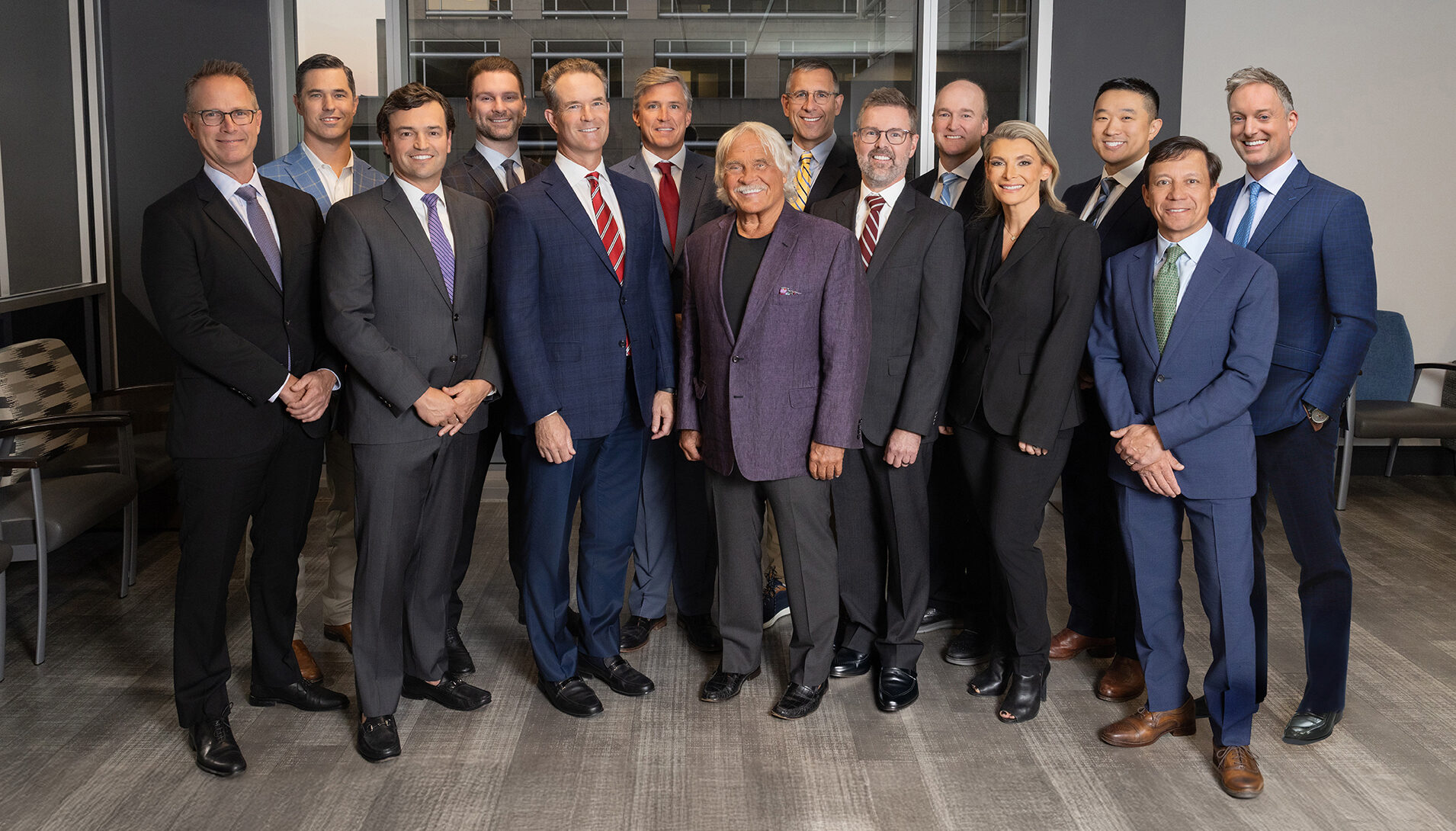
We are proud to share that ten of our physicians at Elite Sports Medicine and Orthopedics have been named Nashville Top Doctors by Castle Connolly [...]
Thumb arthritis can make everyday tasks like opening jars, turning keys, gripping objects, and pinching painful and frustrating. For patients with advanced thumb arthritis who [...]

Shoulder pain is one of the most common reasons patients visit a sports medicine specialist or orthopedic doctor. It affects athletes, active adults, and [...]

Joint pain is one of the most common health complaints across all age groups. Most everyday aches improve with rest, ice, or over-the-counter medication—but sometimes [...]
When athletes think about improving performance, the focus often lands on strength training, conditioning, and skill development. One critical factor is often overlooked: foot health. [...]

When we talk about sports injuries, we often picture athletes sprinting down a field or pushing through an intense workout. But you don’t have to [...]

In April 2024, Suzanne’s life changed almost instantly. What started as a normal Sunday evening turned into a frightening medical emergency, and her experience shows [...]